
Strong Job Growth Defies Forecasts
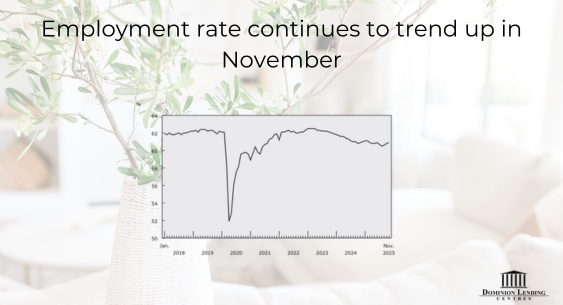
Canada’s labour market delivered another surprise in November. The Labour Force Survey revealed a November jobs surge with the addition of 53,600 jobs, marking the third consecutive month of stronger‑than‑expected employment gains. This surge comes despite ongoing challenges from U.S. tariffs, which have slowed activity in key sectors.
Since September, employment has risen by 180,000 positions, making this the strongest three‑month stretch for job creation in nearly a year. These gains have more than reversed the job losses experienced during the summer months.
Where Job Gains Were Most Significant
- Youth Employment: Hiring among Canadians aged 15–24 led the way. The youth unemployment rate fell to 12.8%, down from a peak of 14.7% earlier this year.
- Part‑Time Work: Part‑time positions rose by 63,000 (+1.6%) in November. Over the past three months, part‑time employment has grown 2.7% (103,000), outpacing full‑time job growth of 0.5% (78,000).
- Private Sector Strength: The private sector drove much of the increase, with health care and social assistance adding 46,000 jobs.
While most part‑time workers choose reduced hours for school or family care, 17.9% remain involuntarily part‑time due to weak demand or limited full‑time opportunities.
Unemployment Rate Trends
The unemployment rate fell to 6.5% in November, down from 6.9% in October. This marks the lowest level since July 2024 and the sharpest monthly decline since 2022.
However, the drop was partly due to a shrinking labour force, which declined by 25,700 people, pushing the participation rate down to 65.1%. Immigration curbs introduced post‑pandemic have limited labour supply, further influencing these figures.
Economic Impact and Market Reaction
Economists had expected a decline of 2,500 jobs and a rise in unemployment to 7%. Instead, the blockbuster report revealed a November jobs surge which:
- Boosted the Canadian dollar
- Pushed interest rates higher
- Reduced expectations of further Bank of Canada easing
Markets now anticipate a 25‑basis‑point rate hike by December 2026, signaling a shift toward gradual tightening.
GDP and Wage Growth Context
Recent GDP data showed the economy expanded at an annualized rate of 2.6% in Q3, beating forecasts. Yet, underlying indicators highlight weakness:
- Final domestic demand: down 0.1%
- Household consumption: down 0.4%
- Business investment: flat
Meanwhile, average hourly wages rose 3.6% year‑over‑year in November, following 3.5% growth in October. Wage pressures remain steady but not excessive.
Bottom Line
The November Labour Force Survey underscores the resilience of Canada’s labour market, even amid trade headwinds. Strong job creation, falling unemployment, and steady wage growth have shifted market expectations toward gradual monetary tightening rather than further easing.
Still, risks remain. If layoffs persist or if the Canada‑US‑Mexico Agreement were to unravel, the case for renewed Bank of Canada stimulus could strengthen. For now, the more likely path is slow, limited policy normalization as fiscal authorities work to close the output gap.
📌 What This Means for Borrowers
With markets now pricing in the possibility of interest rate hikes over the next year, today’s low rates may not last. If you’re considering buying a home or refinancing, it’s a smart time to secure a rate hold before borrowing costs rise.
👉 Reach out today to discuss your options and lock in a rate hold while conditions remain favourable.
